
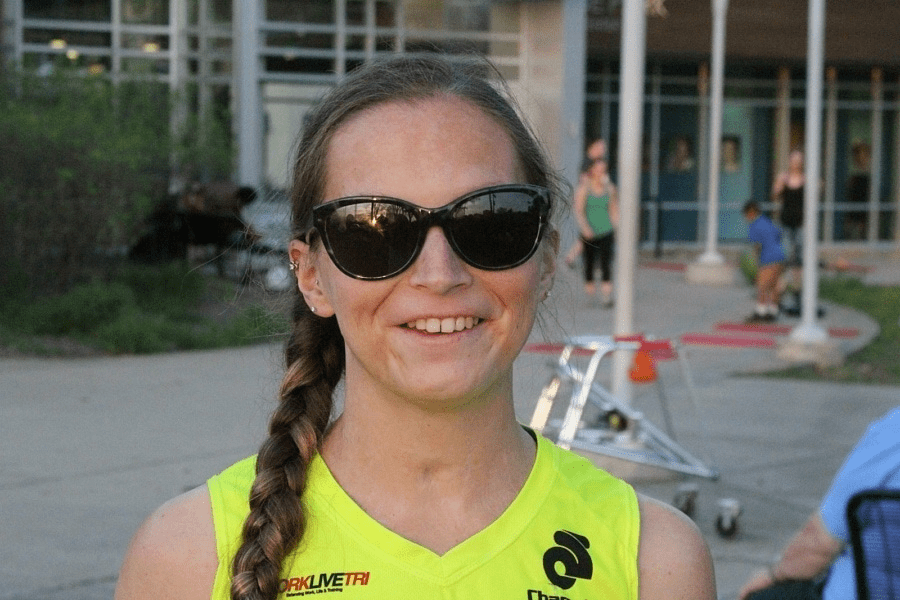
My Education
-M.S. in Applied Sport Psychology from Adams State University
-M.Ed. in Human Development Counseling (school specialization) from Vanderbilt University
-B.S. in Child Psychology with minors in special education and sociology from Vanderbilt University
Past Professional Experience
-I worked as a school counselor for the past 6 years in Colorado.
-Prior to that, while getting my first two degrees, I worked as a teacher’s assistant at an inclusive preschool for children with and without disabilities in Nashville, TN. I was also a research assistant at Vanderbilt University under Dr. Anjali Forber-Pratt (a Paralympian) where I did research on disability identity and culture.
Who am I?
I’ve lived the past 27 years without my eyesight, but I’ve learned to speak my goals into existence and work hard to achieve them—just like anyone else. Sports taught me this. At age three, I was diagnosed with Stevens Johnson Syndrome (SJS), an autoimmune disorder triggered by a reaction to a medication. SJS causes the immune system to attack the body, essentially burning it from the inside out. I spent two months in the burn unit with third-degree burns, losing 97% of my skin, all my hair, fingernails, and my eyesight. I survived—but my vision did not. While blindness may seem scary or limiting, I’ve found strength in it.
To outsiders, my blindness might seem like a flaw, but I see it differently. It’s given me a new perspective. It pushed me into things I might not have tried otherwise—especially sports. I earned junior and senior black belts in White Tiger Kempo and boxed from ages ten to twenty. Just like I learned to physically defend myself through sparring and grappling, I learned to mentally overcome any obstacle, including visual impairment.
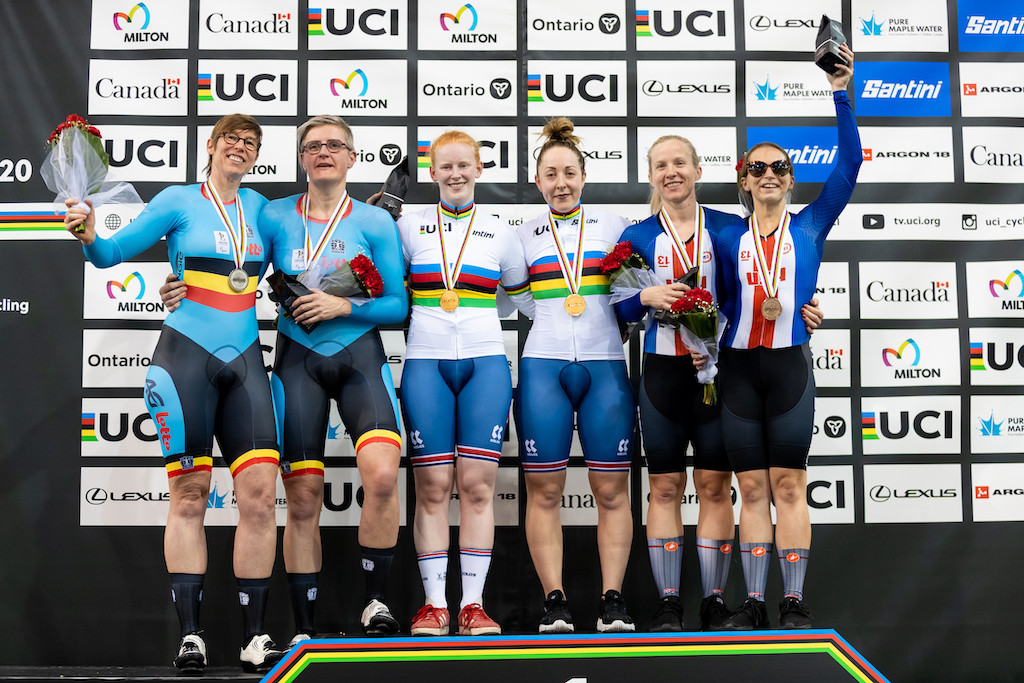
In 2016, I ran my first marathon in New York City. That experience taught me both physical strength and perseverance. Since then, I’ve completed two Boston Marathons, the California International Marathon, and many 5Ks, 10Ks, and half marathons. After attending tandem cycling training camps at the Olympic Training Center, I set my sights on becoming a world-class tandem cyclist. In 2020, I won a bronze medal at the para-cycling track world championships in Milton, Canada. That moment, along with the many national medals I’ve earned, felt like a culmination of years of grueling training—runs where I wanted to quit, 100-mile bike rides with hills, deadlifting double my body weight, and standing starts pushing over 1,000 watts. Despite the toll on my body and mind, I stayed determined. Crossing those finish lines brought indescribable joy and pride. The perseverance I learned through sport shaped who I am. I want to help other athletes push through their challenges the same way.
People often call me inspirational for achieving these things without sight. I don’t see it that way. Anyone can achieve their goals with self-determination, perseverance, and resilience. These are the lessons I want to share as a mental performance coach (MPC).
My success wouldn’t have been possible without the incredible people in my life who believed in me and helped me view my disability as a strength. My cycling pilots, guides, family, friends, teachers, and coaches taught me to believe in myself and never give up. Because of them, I learned that sports are about pushing yourself and discovering your inner strength. This is why I became an MPC. It’s my turn to give back. I want to help athletes/performers recognize their power—mental and physical—and show them that self-determination and perseverance are essential not just in sports, but in life.
 SPARCCC Mental Performance Coaching