
Model of Performance Excellence
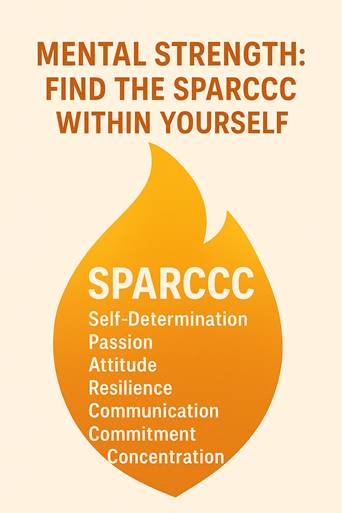
What is Mental Performance Coaching & Mental Strength Training?
Introduction to Mental Strength Training
-Mental strength training helps you have the mental capacity to be the best athlete/performer you can be.
-Our bodies and minds work together. When we are stronger mentally, we are stronger physically. When we are struggling mentally, it will negatively affect us physically.
-In mental strength training we will focus on topics such as self-determination, motivation, focus, concentration, commitment, quality practice, well-being, mindfulness, resilience, composure, effective self-talk, deep breathing, grounding, imagery/visualization, goal setting, various coping strategies, emotion regulation, and so much more.
Benefits/Value
-There is a plethora of research that shows that when athletes have mental strength and a strong overall well-being, they are more likely to perform better and be more equipped for life in general (Williams & Krane, 2021).
-Physical training is extremely important; but if we only focus on the physical side of ourselves, we are missing out on a lot of growth.
-When we become mentally stronger, we are able to communicate more effectively, manage conflict in a healthier way, build stronger and healthier relationships, manage our emotions more effectively, be more mindful which in turn helps us to focus better, better cope with adversity, persevere through challenges, be more self-empowered/autonomous, feel more competent, build a stronger support system, better self-reflect, be more self-aware, be better social supports for those around us, be more composed when facing tough situations, have a more positive mindset and a better overall well-being, and so much more both in and out of sport.
-Mental strength training is for all ages, backgrounds, type of sport, developmental and physical level, sport level, type of performance, etc. Everyone can benefit from mental strength training.
-My services are not interventions; rather, they are training techniques similar to any other athletic service such as strength and conditioning.
-We start out with basic, overarching mental strength and learn more in depth techniques as athletes and teams progress.
-Mental strength training is just as important as any other training you need to do to be a successful athlete/performer.
– Just like strength and conditioning, mental strength requires consistent practice. Progress may be less visible than physical growth, but it’s just as real and valuable
Additional Important Info on Sport Psychology and Mental Performance Coaching *Please Read
Sport Psychology
Mental Performance Coaching
Mental Performance Coaches (AASP-Certified Mental Performance Consultants) are specifically trained to help people improve performance in sport and life. AASP stands for the Association for Applied Sport Psychology.
The following are some examples of areas athletes, coaches, and teams can work on to improve performance and well-being.
list of 17 items
● Mental preparation for competition
● Focus

● Creating an optimal training environment
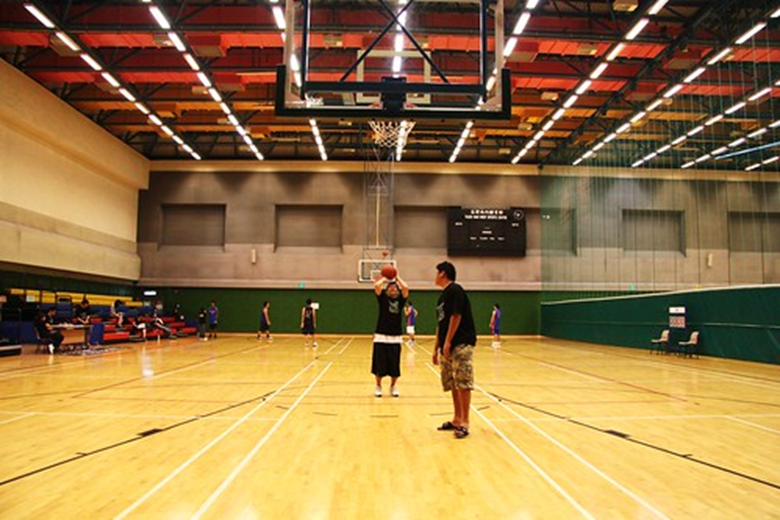
● Excelling under pressure
● Effective self-talk
● Resilience
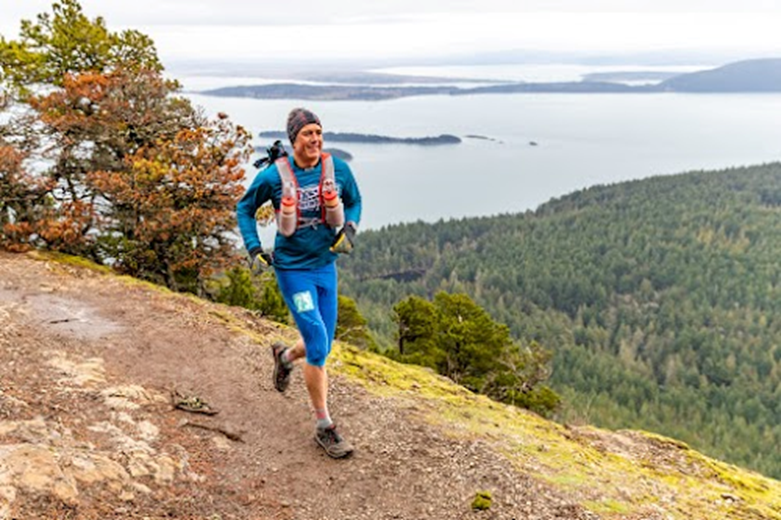
● Concentration
● Quality Practice
● Visualization (Imagery)
● Confidence
● Mental Recovery
● General life stress and well-being
● Coach-athlete relationships
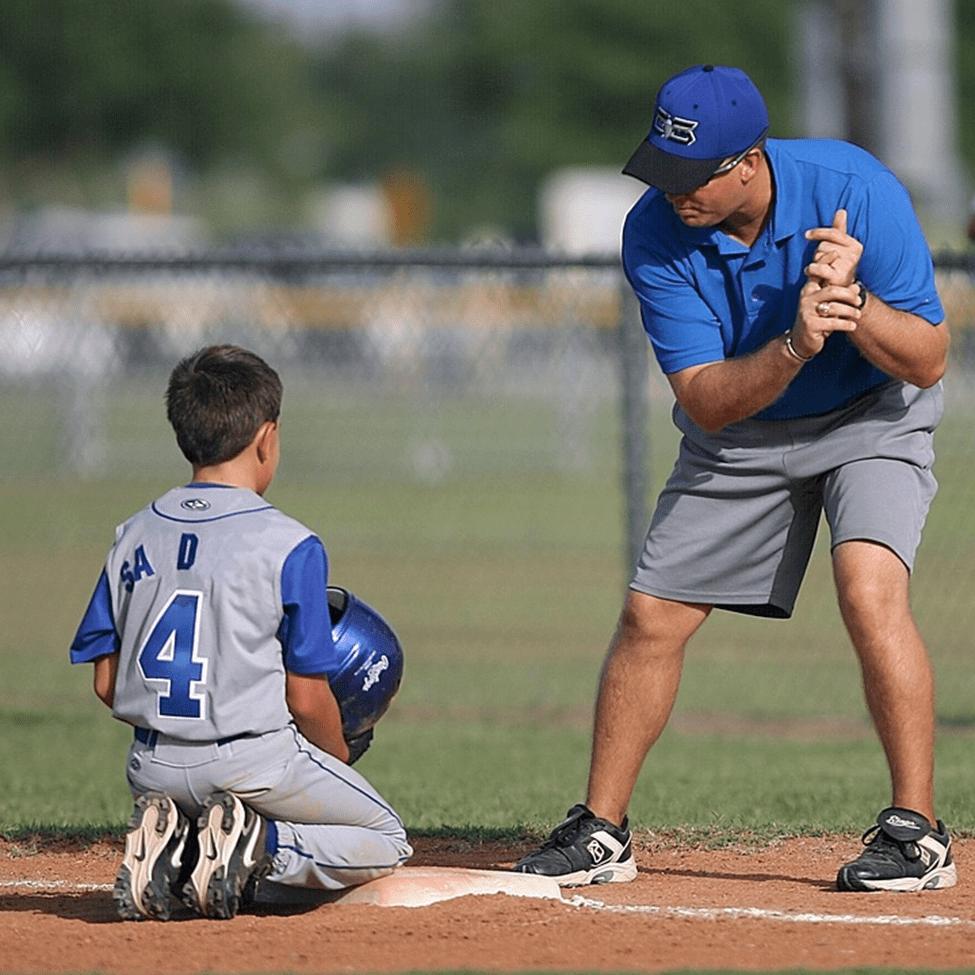
● Communication (coach and training group)
● Mental training for injury rehabilitation
● Critical transitions in sport career
● Mental aspects of the business side of pro sport
Sessions for individuals (athletes, coaches), teams and organizations online and in person. *At the current moment, I am only offering virtual services.
From The Association for Applied Sport Psychology (AASP) Website:
About Sport & Performance Psychology
Today, achieving peak performance involves more than reaching peak physical fitness. Potential isn’t realized by chance, and we know that natural ability is only part of the equation. The field of sport and performance psychology focuses on providing every performer the resources to power their inner edge by strengthening the ability to perform, as well as the ability to thrive. By researching, training, and serving performers’ comprehensive mental needs, we elevate their performance and well-being so they can realize their greatest potential.

A common misconception is that sport and performance psychology exists only to help elite athletes win. In reality, sport and performance psychology professionals support people at every age and across a variety of performance contexts, including the following:
- Sport (athletes and coaches)
- Exercise (persons of all ages and activity levels)
- Tactical (military, firefighters, police)
- Performing Arts (dancers and musicians)
- Business (executives)
Within the sport domain, professionals work in a range of settings including youth/club sport, high school, collegiate, professional/semiprofessional, and Olympic/Paralympic.
Effective practice in the field of sport and performance psychology involves the use of evidence-based approaches, methods, and interventions. It also includes a consideration of relevant cultural variables that may be impacting one’s experience. Sport and performance psychology practice utilizes a combination of individual and group consulting or counseling, depending on the style of the professional conducting the intervention and the needs of the client. Although there are many potential intervention targets (e.g., goal setting, concentration, motivation, relaxation, imagery), the general objective is to teach mental skills necessary to perform consistently.

Many sport and performance psychology professionals obtain the Certified Mental Performance Consultant® (CMPC) credential. This certification demonstrates to clients, employers, colleagues, and the public at large that an individual has met the highest standards of professional practice, including completing a combination of educational and work requirements, successfully passing a certification exam, agreeing to adhere to ethical principles and standards, and committing to ongoing professional development. The Association for Applied Sport Psychology (AASP) is the only sport and performance psychology association in North America that offers an accredited certification program to qualified professionals.
CMPCs make a difference by helping athletes and performers reduce performance anxiety, improve concentration and communication, build confidence, and set goals. Learn more about how you can benefit from working with a CMPC.
AASP Website Link:
References:
About Sport & Performance Psychology | Association for Applied Sport Psychology. (n.d.). https://appliedsportpsych.org/about-the-association-for-applied-sport-psychology/about-sport-and-performance-psychology/
 SPARCCC Mental Performance Coaching